
Wood Fence Installation That Holds in Garland's Clay Soil
Board-on-board privacy, picket, and shadowbox styles in cedar, installed for the expansive clay and hail-season weather that defines most Garland yards.
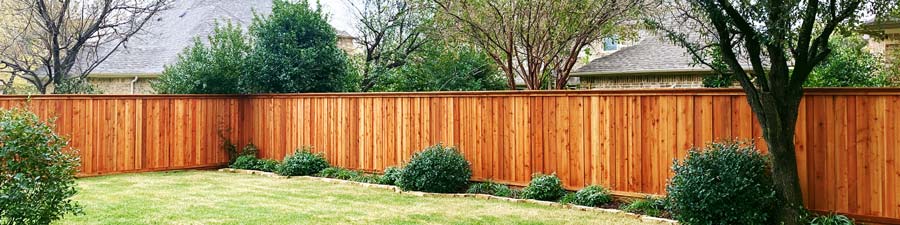
Why Cedar Outlasts the Fence It Replaces in Garland
Garland built most of its housing between 1970 and 2005, and a large share of those homes are now on their second fence rather than their first. The original posts went into the ground decades ago, the boards have grayed and cupped, and the gates drag where the soil has shifted underneath them. Replacing a wood fence here is rarely a question of whether to do it; the homeowner already knows it is time. The real question is how to put the next one in so it outlasts the one coming down.
The thing that separates a Garland Fence Company wood fence that holds its line from one that leans is what happens below the surface. The soil under most of the city is expansive clay that swells when the area’s 39 inches of annual rain soak in, then shrinks back hard through a dry Texas summer. A post that was set shallow, or backfilled with loose dirt instead of concrete, rides that movement up and down until it works loose and the panel above it begins to pitch. Posts set deep and locked in concrete stay put through the same cycle, and that single choice is most of the reason one fence on a street is still straight while the one next door is leaning.
Cedar Holds Up Where Pine Gives Out
Cedar carries natural oils that resist rot, insects, and the moisture swings of North Texas without leaning on chemical treatment to do it. It weathers to a silver-gray if left alone and holds a warm tone for years when it is stained and sealed on a regular schedule. Pine costs less the day it goes in, but it takes on water faster, moves more, and needs sealing sooner and more often to reach anything close to cedar’s lifespan. For a fence that has to stand in Garland clay through hail season and drought, cedar is the material most installations here are built from.
How Privacy, Shadowbox, and Picket Differ on a Garland Lot
Full board-on-board privacy is the standard for back and side yards across Garland, giving a solid wall with no gaps for sightlines and a clean face from both sides. Shadowbox alternates boards on each side of the rail so air can pass through the fence, which matters on the more open lots toward Lake Ray Hubbard and the wind-exposed stretches east of town, where a solid panel catches the full push of a storm. Picket stays popular on front yards in the older neighborhoods, where a lower, spaced fence fits the street and keeps the house visible from the curb.
Posts That Stay Put When the Clay Moves
From Teardown to Final Board
A standard residential wood fence in Garland runs one to two days from the first post to the last board, depending on the length of the run and whether an old fence has to come down first. Removal comes before anything new goes in, which means pulling the existing posts out of the ground rather than cutting them off at the surface and leaving the old concrete to fight the new layout. New posts are set in concrete at a depth matched to Garland’s clay, then given time to cure before the rails and boards go on. Shorter runs can finish in a single day; full-yard replacements are usually a two-day job.
Pulling the Garland Fence Permit
The City of Garland requires a permit for most residential fence installations and replacements, and we handle that step as part of the job instead of leaving it on the homeowner. The permit confirms the fence meets the city’s height and placement rules before the crew starts. We walk through what the city needs during the estimate, so the paperwork is sorted ahead of installation day rather than holding up the schedule.
The First Stain and the Years After
New cedar should be left to dry and then stained or sealed about 30 to 60 days after installation, once the wood has released its surface moisture and will actually take the finish instead of beading it off. Sealed cedar that gets re-coated every couple of years in the North Texas climate will commonly run 15 to 20 years before a full replacement. Left bare, the same fence checks, grays, and softens structurally closer to the 8 to 10 year mark. Re-coating on a schedule is the cheapest thing a homeowner can do to stretch the life of the fence, and it is a service we come back out to handle once your boards have fully cured.
Repair, Replace, or Let Insurance Decide
Not every wood fence in Garland needs to come down to the posts. If the posts are still solid and the damage is limited to a few cracked or missing boards, a board-and-rail repair is faster and costs less than a full rebuild, and every estimate looks at both paths so the choice fits the fence in front of us. Where Garland tends to force the decision is hail and straight-line wind. When a spring storm takes out a long section or flattens a run, storm damage replacement is often covered through a homeowner’s insurance claim, and we document the damage and itemize what an adjuster needs to process it. A fence leaning across its whole length from years of post movement, on the other hand, is usually past the point where patching pays off.
Wood Fence Questions Garland Homeowners Ask
How deep do fence posts need to be set in Garland's clay soil?
In Garland’s expansive clay, posts for a six-foot privacy fence are typically set around two feet deep, roughly a third of the post’s height, and backfilled with concrete rather than tamped dirt. The clay swells when it takes on water and shrinks back through a dry summer, and a post set shallow or set in dirt rides that movement until it loosens. Setting deep and locking the post in concrete is what keeps the fence from leaning a few seasons in, and it is the single biggest reason one wood fence outlasts another on the same street.
Is cedar worth the extra cost over pine in North Texas?
For most Garland yards, yes. Cedar’s natural oils resist rot and insects and stand up to the wet-then-dry swing of the local climate far better than pine, which absorbs moisture faster and warps and checks sooner. Pine is cheaper the day it is installed, but it needs sealing earlier and more often and generally reaches the end of its life years before cedar does. Across the full lifespan of the fence, cedar usually works out to the lower cost per year even though it is the higher cost up front.
How many years should a new cedar fence last in Garland?
A cedar privacy fence installed with proper post setting and kept on a stain-and-seal schedule will commonly last 15 to 20 years in the Garland area. Left untreated, the same fence tends to gray, check, and soften structurally closer to 8 to 10 years. The two things that move that number most are how the posts were set and whether the wood gets re-sealed every couple of years. Hail and storm damage can shorten the life of any fence regardless of upkeep, which is where an insurance replacement sometimes comes into play.
Do I need a permit to replace a wood fence in Garland, and what does it cost?
The City of Garland requires a permit for most residential fence installations and replacements, and as of 2026 the residential fence permit fee is $88. The permit confirms the fence meets the city’s height and placement rules before work begins. We pull the permit as part of the job and walk through what the city needs during the estimate, so it is handled before installation day rather than becoming a delay. Permit requirements and fees can change, so we confirm the current figure with the city on every project.
How tall can a backyard wood fence be in Garland?
Six feet is the standard height for a back and side yard privacy fence in Garland and is what most replacements are built to. Front-yard fencing is generally held lower, often around four feet, and corner lots and properties near intersections can carry additional sightline rules the city checks during permitting. We confirm the allowed height for your specific lot before the estimate is final, so the fence is built to what the city will approve the first time.
When should a brand-new cedar fence be stained?
Wait roughly 30 to 60 days before staining or sealing a new cedar fence. Fresh cedar still carries surface moisture, and stain applied too early sits on top and peels instead of soaking into the grain. Once the boards have dried and cured, a penetrating stain or sealer bonds properly and does the real work of slowing the graying and water absorption that age a fence. We come back out to handle the first coat once your fence has had the time it needs to cure.
How much does a wood fence cost in the Garland area?
Wood fence pricing in Garland and the greater DFW area generally runs about $25 to $45 per linear foot installed for a standard six-foot cedar privacy fence, with the final number driven by the length of the run, the grade of cedar, the number and type of gates, the slope and access of the yard, and whether an old fence has to be removed first. Board-on-board and premium cedar grades sit at the higher end, while longer straight runs on flat, open lots come in lower per foot. Because no two yards are identical, the only accurate price is one based on a measured walk of your property, which is exactly what the on-site estimate provides.